girlbox

girls

Foods That Help with Hormone Friendly Diet

Quick Answer: A hormone friendly diet stabilises blood sugar and reduces inflammation to support your endocrine system. For Pakistani women, this means eating complex carbohydrates like bajra and jowar, magnesium-rich greens, omega-3 seeds, and probiotic dahi while cutting refined flour and excess sugar. This is a supportive strategy, not a replacement for medical treatment of diagnosed hormonal disorders. You have eaten salad for dinner three weeks running. You swapped white roti for lettuce wraps. You bought detox tea from an Instagram page and drank it until your stomach burned. Your periods are still irregular. Your skin still breaks out along the jawline. The weight around your midsection refuses to shift despite the hunger. The problem is not willpower. The problem is that restriction without hormonal context is just starvation with better marketing. Your endocrine system does not run on cucumber slices. It runs on cholesterol, amino acids, trace minerals, and steady glucose. The good news is that your kitchen already contains most of what you need. You just need to stop fearing desi food and start using it strategically. What Is a Hormone Friendly Diet? A hormone friendly diet is an eating pattern that prioritises blood sugar stability, anti-inflammatory fats, and micronutrients required for synthesising and metabolising reproductive hormones. It is not a crash diet or a juice cleanse. It is a sustained shift toward whole foods that keep insulin, cortisol, and estrogen within functional ranges. Your ovaries, thyroid, and adrenal glands need raw materials. Cholesterol builds steroid hormones. Iodine feeds the thyroid. Vitamin B6 and magnesium help process estrogen. Fiber binds excess hormones in the gut for elimination. When you eat white flour and sugar all day, you create insulin spikes that push ovaries to produce more androgens. When you skip fat entirely, you starve the very mechanism that manufactures progesterone. A hormone friendly diet corrects these shortages without requiring imported superfoods or expensive meal plans. Why Pakistani Women Need a Local Approach Pakistani women face disproportionate rates of PCOS, vitamin D deficiency, iron deficiency anaemia, and thyroid dysfunction. A generic Western hormone diet built around quinoa and kale ignores the reality of what is affordable, available, and culturally familiar here. We do not need avocados at PKR 400 each. We need to stop throwing away the pumpkin seeds we scoop out of kaddu every winter. We need to recognise that bajra roti from a Punjab village diet is metabolically superior to the refined white bread now dominating urban breakfasts. Dr. Nida Aslam, an Islamabad-based gynaecologist, notes: “In my clinical experience, the most overlooked cause of persistent hormonal symptoms is not excess calories. It is mineral depletion from a diet of refined flour and tea that blocks iron absorption.” Understanding this changes your grocery list more than any calorie-counting app ever will. 8 Desi Foods That Support Your Endocrine System These eight foods are available at any Pakistani bazaar and cost significantly less than imported health products. Each one targets a specific hormonal mechanism. 1. Bajra and jowar (whole millets)These complex carbohydrates release glucose slowly, preventing the insulin spikes that worsen PCOS and androgen excess. A bajra roti at lunch keeps you full longer than three white rotis and supports the healthy gut bacteria that metabolise estrogen. 2. Eggs, especially the yolkEgg yolks contain choline, vitamin D, and healthy fats essential for progesterone production. At roughly PKR 20 per egg, this is the cheapest hormone support available. Eat the whole egg. The yolk is where the nutrition lives. 3. Palak, methi, and sarson saagLeafy greens deliver magnesium and iron, both critical for thyroid function and for buffering the stress response. Pakistani women are chronically low in both. A cup of steamed palak with lunch is not a side dish. It is infrastructure. 4. Flaxseeds and pumpkin seedsFlax contains lignans that help modulate estrogen levels. Pumpkin seeds provide zinc, which supports progesterone and thyroid conversion. Buy whole flaxseeds from a desi atta chakki for PKR 200-300 per kilo. Grind a tablespoon fresh daily. Pre-ground flax oxidises and loses potency within days. 5. Plain dahi with live culturesYour gut microbiome processes and eliminates excess estrogen. Antibiotics, processed food, and stress destroy these bacteria. Plain dahi restores them. Avoid the fruit-bottom yoghurts with more sugar than ice cream. 6. Turmeric and gingerChronic low-grade inflammation disrupts hormone receptor sensitivity. Fresh turmeric and ginger, cooked into daal or brewed as kadha, contain compounds that reduce this inflammation without the side effects of long-term medication. 7. Walnuts and almondsOmega-3 fatty acids and vitamin E support the fluidity of cell membranes, allowing hormones to signal properly. A small handful costs PKR 50-80 and makes an ideal mid-afternoon snack when energy dips between meals. 8. Chana, lobia, and masoor daalLegumes provide plant protein, iron, and soluble fiber. The fiber binds excess estrogen in the digestive tract, preventing reabsorption. This is particularly important for women with estrogen dominance symptoms like heavy periods and breast tenderness. Food Key Nutrient Hormonal Benefit Cost (PKR) How to Eat Bajra/jowar roti Complex carbs, fiber Stabilises insulin 80–120/kg Lunch replacement for white roti Eggs (whole) Choline, vitamin D Progesterone support 20–25 each Breakfast or boiled snack Palak / methi Magnesium, iron Thyroid and stress support 30–50/bunch Steamed, in saag, or mixed in daal Flaxseeds Lignans, omega-3 Estrogen modulation 200–300/kg Freshly ground, daily Plain dahi Probiotics Gut-estrogen elimination 40–60/cup With lunch or as raita Turmeric/ginger Curcumin, gingerol Anti-inflammatory 20–40/100g Fresh in cooking or kadha Walnuts/almonds Omega-3, vitamin E Cell membrane health 50–80/handful Mid-afternoon snack Chana / lobia Fiber, plant protein Excess estrogen binding 40–60/cup cooked Lunch daal or salad Foods That Disrupt Hormonal Balance Refined white flour, white sugar, excessive caffeine, and hydrogenated oils actively work against your endocrine system. They are not treats. They are hormonal saboteurs. White roti and parathas made from maida spike insulin within minutes. Your body responds by producing more androgens, which worsens acne and facial hair. Four cups of chai daily deliver enough tannins to block iron absorption by up to 60%, deepening the fatigue you already

Foods That Help with Hormone Friendly Diet Read More »
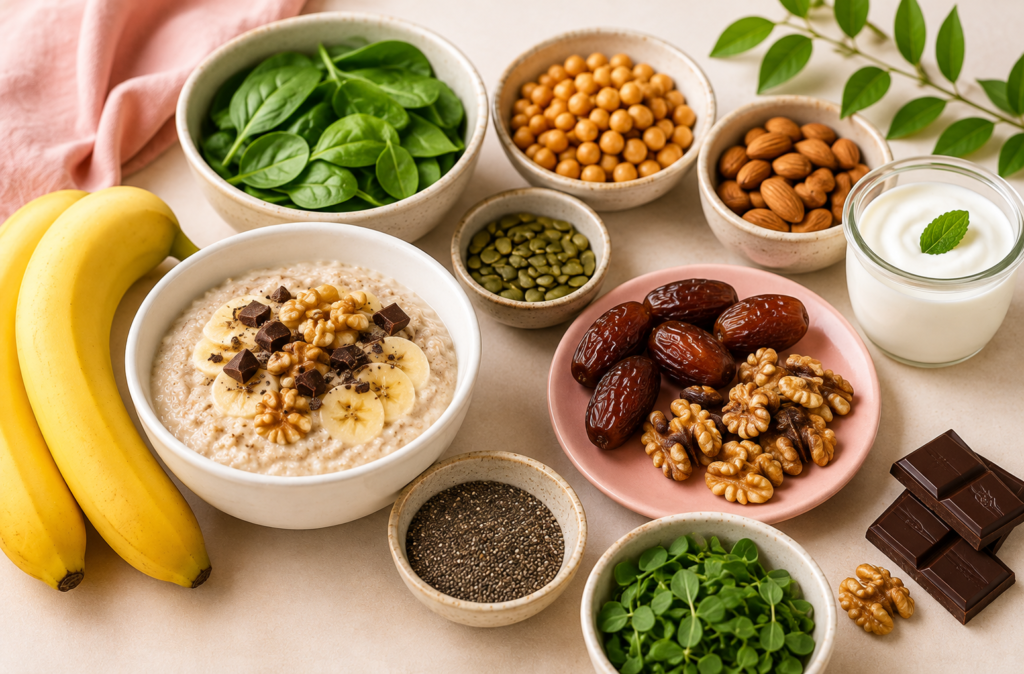
Foods That Help with Hormonal Mood Swings

Foods That Help With Hormonal Mood Swings

Quick Answer: Hormonal mood swings are caused by fluctuations in estrogen and progesterone that affect brain serotonin levels. Eating complex carbohydrates, magnesium-rich greens, omega-3 sources like walnuts, and vitamin B6 foods such as bananas and chickpeas can help stabilise these shifts. Persistent or severe mood changes, however, require evaluation by a PMDC-registered gynaecologist. You woke up fine. You drank your chai, replied to a few messages, and started your day. By 3 pm, you wanted to cry because the daal was slightly too salty. By 6 pm, you snapped at your sister over a borrowed scarf. Now it is 9 pm and you are sitting on your bed wondering why you feel like a completely different person from the woman who woke up this morning. If this pattern repeats every month — or worse, seems to appear out of nowhere during your cycle — you are likely dealing with hormonal mood swings. The connection between your ovaries and your temper is real, and while food cannot cure a clinical hormone disorder, the right desi kitchen staples can absolutely soften the edges of the emotional rollercoaster. What Are Hormonal Mood Swings Actually? Hormonal mood swings are rapid emotional shifts — irritability, anxiety, sadness, or anger — triggered by changing levels of estrogen and progesterone during the menstrual cycle. These hormones regulate serotonin, the brain chemical that stabilises mood, and when they drop sharply before a period, serotonin follows. behind the scene Your endocrine system is not a switch. It is a feedback loop. Estrogen rises during the first half of your cycle, peaks around ovulation, and then crashes alongside progesterone in the week before menstruation. That crash is what makes you feel volatile. For some Pakistani women, this is mild: a day of feeling off. For others, it is debilitating rage or despair that damages relationships and work performance. Understanding that this is a biochemical event, not a personality failure, is the first step toward managing it. Which Foods Actually Help Stabilise Mood Swings? Foods that help with hormonal mood swings are those that support steady blood sugar, provide building blocks for serotonin, and supply magnesium and B vitamins that buffer stress responses. Protein, complex carbohydrates, and healthy fats matter more than any single superfood. Your brain needs tryptophan — an amino acid — to manufacture serotonin. It needs magnesium to calm the nervous system. It needs stable glucose to prevent the adrenaline spikes that make anxiety worse. According to research published in the Journal of Affective Disorders, diets rich in whole grains, legumes, nuts, and fatty fish correlate with lower rates of premenstrual mood disturbance. The key is consistency. One bowl of daal will not fix a month of skipped meals and chai-samosa afternoons. Desi Foods That Support Hormonal Balance These seven food categories use ingredients already in your kitchen or available at any Pakistani bazaar. Each targets a specific mechanism behind mood instability. 1. Complex carbohydrates from whole grainsBrown rice, whole wheat roti, and oats provide slow-releasing glucose. Your brain consumes roughly 20% of your daily energy, and it panics when blood sugar drops. Swap white flour parathas for roti made from desi atta during the week before your period. 2. Legumes for B vitamins and steady energyChana, masoor daal, and lobia are rich in vitamin B6, which assists in serotonin production. A cup of cooked chana contains nearly half your daily B6 requirement. Daal is not boring food; it is hormonal infrastructure. 3. Leafy greens for magnesiumPalak, methi leaves, and sarson ka saag deliver magnesium, a mineral that acts as a natural relaxant for the nervous system. Pakistani women are frequently magnesium-deficient due to diets heavy in refined grains and low in fresh vegetables. Add a handful of steamed palak to your lunch plate four times a week. 4. Nuts and seeds for omega-3s and zincWalnuts, almonds, and flaxseeds provide omega-3 fatty acids and zinc. Omega-3s reduce inflammation that can worsen mood disorders, while zinc supports progesterone balance. Keep a small box of mixed nuts in your university bag or office drawer. A small handful costs roughly PKR 50-80 and lasts all afternoon. 5. Bananas and dates for tryptophan and potassiumBananas contain tryptophan and vitamin B6. Dates provide potassium and natural sweetness without the insulin spike of refined sugar. Together they make an ideal 4 pm snack when premenstrual cravings hit. 6. Dahi for gut-brain axis supportYour gut produces a significant portion of your body’s serotonin. Plain yoghurt with live cultures supports healthy gut bacteria, which in turn influences mood regulation. Avoid flavoured yoghurt with added sugar; buy plain dahi and add a drizzle of honey or chopped dates. 7. Dark chocolate for magnesium and pleasureCocoa is one of the richest dietary sources of magnesium. A small square of dark chocolate — 70% cocoa or higher — after dinner can satisfy cravings while delivering a genuine mineral boost. Skip the milk chocolate packets; they contain too much sugar and too little cocoa. Desi Food Active Nutrient How It Helps Best Timing Approx. Cost (PKR) Masoor daal / chana Vitamin B6 Serotonin synthesis Lunch 40–60 per serving Palak / methi Magnesium Nervous system calming Lunch or dinner 30–50 per bunch Walnuts / almonds Omega-3, zinc Reduces inflammation; supports progesterone Mid-afternoon snack 50–80 per handful Banana + dates Tryptophan, potassium Mood stabilisation; natural energy 3–4 pm slump 40–60 combined Plain dahi Probiotics Gut-brain serotonin support With lunch 40–60 per cup Dark chocolate (70%+) Magnesium Stress relief; mineral boost After dinner 100–150 per bar What Should You Avoid Eating? Avoid refined sugar, excessive caffeine, and ultra-processed fried snacks during the week before your period. These create blood sugar spikes followed by crashes that mimic and worsen anxiety. That 3 pm samosa from the canteen? The refined flour and reheated oil spike your insulin, which destabilises mood within an hour. Your fourth cup of chai? Caffeine raises cortisol, the stress hormone, at exactly the moment your body is already struggling with progesterone withdrawal. You do not need to eliminate these entirely.

Foods That Help With Hormonal Mood Swings Read More »

5 Home Remedies for Hair Growth Oil THAT ACTUALLY WORK

5 Home Remedies for Hair Growth Oil THAT ACTUALLY WORK

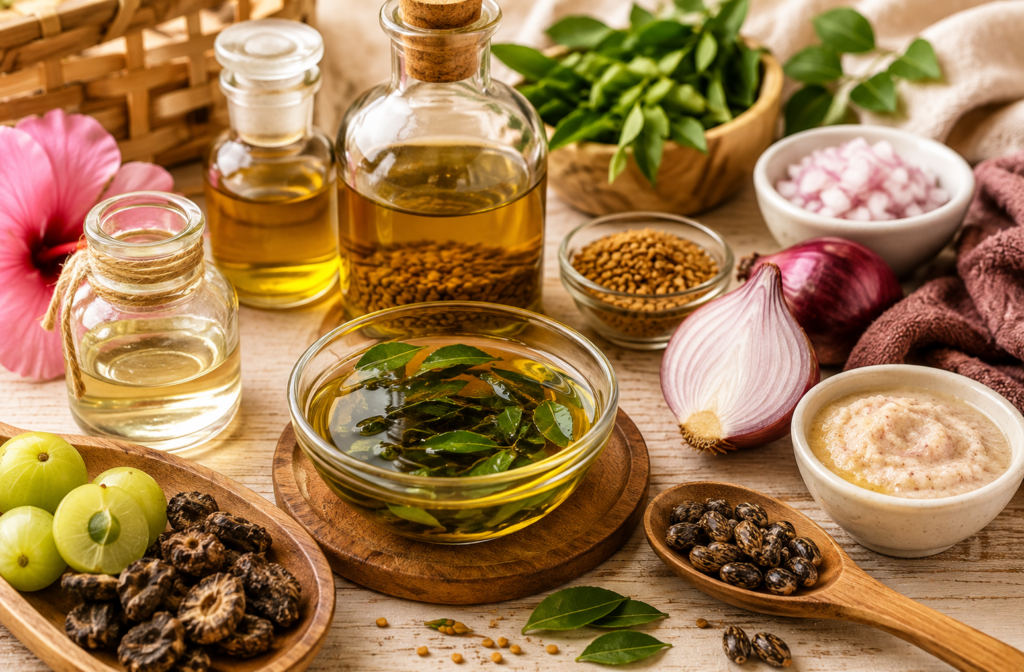
Quick Answer: Home remedies for hair growth oil use cold-pressed coconut, mustard, or castor oil infused with amla, fenugreek, or onion juice. These preparations may improve scalp health and reduce breakage in desi hair types, but they cannot reverse genetic hair loss or hormonal conditions without medical treatment. You untied your braid last night and found a clump of hair caught in the elastic. This morning, your comb carried more strands than usual. Your mother insists you need to oil your hair the way she did — warm mustard oil on Sundays, braided tight before bed. Your cousin recommends an expensive imported serum she saw on Instagram. You stand in your bathroom holding a bottle of plain coconut oil, wondering if any of this actually works or if you are just greasing your pillow for nothing. Hair fall is terrifying because it feels like you are watching yourself disappear one strand at a time. The good news is that certain home remedies for hair growth oil have genuine merit for Pakistani hair types. The bad news is that oil alone cannot fix what hormones or iron deficiency have broken. Is Hair Loss Normal for Pakistani Women? Losing 50 to 100 hairs daily is completely normal and part of the natural hair growth cycle. If you notice visible scalp patches, a widening parting, or clumps coming out with gentle tugging, that signals a problem beyond normal shedding. Pakistani women often panic when they see hair in the shower drain, but daily shedding is how your scalp makes room for new growth. The trouble starts when the rate of loss exceeds the rate of regrowth. Tight braids for school, frequent heat styling for weddings, and hijab friction all add mechanical stress that pushes normal shedding into breakage. Dr. Farah Hussain, a Karachi-based trichologist, notes that in her clinical experience, the most overlooked cause of persistent hair fall is not insufficient oiling, but iron deficiency combined with hard water damage. “Women come in with bags of supplements and six different oils, but their ferritin levels are barely measurable. No oil can grow hair on a scalp starved of oxygen.” Why Is Your Hair Falling Out? Common causes of hair loss in Pakistani women include genetic pattern hair loss, hormonal conditions like PCOS or thyroid disorders, nutritional deficiencies (especially iron and vitamin D), hard water mineral buildup, and traction alopecia from tight hairstyles or hijabs worn too snugly. Desi hair tends to be thick, wavy, and porous, which means it absorbs moisture quickly but also loses it fast in dry heat or air-conditioned offices. If you live in Lahore or Multan, the calcium and magnesium in your tap water leave a film on your scalp that blocks follicles over time. Add to that the hormonal rollercoaster of PCOS — which affects roughly one in five Pakistani women — and you have a recipe for chronic thinning. Oils can help with the surface-level symptoms: dryness, breakage, and scalp inflammation. They cannot, however, reset your androgen levels or fix your thyroid. Understanding this distinction saves you months of rubbing the wrong remedy onto a problem that needs blood tests, not bottles. 5 Home Remedies for Hair Growth Oil These five oil preparations use ingredients available at any Pakistani kitchen or thela, and each targets a specific scalp or strand concern common to desi hair types. 1. Warm Coconut Oil with Fresh Curry Leaves Heat 100 ml of virgin coconut oil in a pan until warm, not smoking. Add a handful of fresh curry leaves and let them crackle. Cool and strain. Massage into the scalp twice weekly. Coconut oil is one of the few oils that actually penetrates the hair shaft rather than sitting on top of it. Research published in the Journal of Cosmetic Science found that coconut oil reduces protein loss from both damaged and undamaged hair when used as a pre-wash treatment. Curry leaves are rich in antioxidants and beta-carotene, which support scalp health. This combination suits women with dry, brittle ends from frequent blow-drying or sun exposure. Cost: roughly PKR 200-300 for a small batch. 2. Mustard Oil Infused with Fenugreek (Methi) Seeds Soak two tablespoons of methi seeds in 150 ml of cold-pressed mustard oil for 24 hours. Gently warm the mixture, strain, and apply to roots. Leave for 45 minutes before washing with a mild shampoo. Mustard oil has been the backbone of Punjabi and Kashmiri hair care for generations. It contains alpha-linolenic acid and erucic acid, which create a warming effect on the scalp and may improve circulation. Fenugreek contains lecithin and nicotinic acid, compounds traditionally believed to strengthen hair follicles. Be cautious: mustard oil is heavy and can irritate sensitive scalps. If your skin turns red or itchy, rinse immediately and switch to a lighter oil. 3. Castor Oil and Onion Juice Blend Mix two tablespoons of cold-pressed castor oil with one tablespoon of fresh onion juice. Apply only to thinning areas using a cotton ball. Leave for 30 minutes, then shampoo thoroughly. This remedy smells aggressively, but it has the strongest clinical backing of the five. A study published in the Journal of Dermatology found that crude onion juice applied to the scalp produced hair regrowth in nearly 87% of participants with alopecia areata after two weeks of use. Castor oil is rich in ricinoleic acid, which has anti-inflammatory properties. The combination is best for patchy thinning rather than overall dryness. Do a patch test first; onion juice can burn broken skin. 4. Amla-Infused Sesame Oil Dry 50 grams of fresh amla slices in the sun for two days. Add them to 200 ml of sesame oil and heat on the lowest flame until the amla turns dark. Cool, strain, and store in a glass bottle. Amla is one of the richest natural sources of vitamin C, a nutrient essential for collagen synthesis and iron absorption. Since iron deficiency is rampant among Pakistani women, improving absorption matters as much as oiling itself. Sesame oil provides a

5 Home Remedies for Hair Growth Oil THAT ACTUALLY WORK Read More »

Healthy Snacking Ideas Explained by Health Experts

Healthy Snacking Ideas Explained by Health Experts

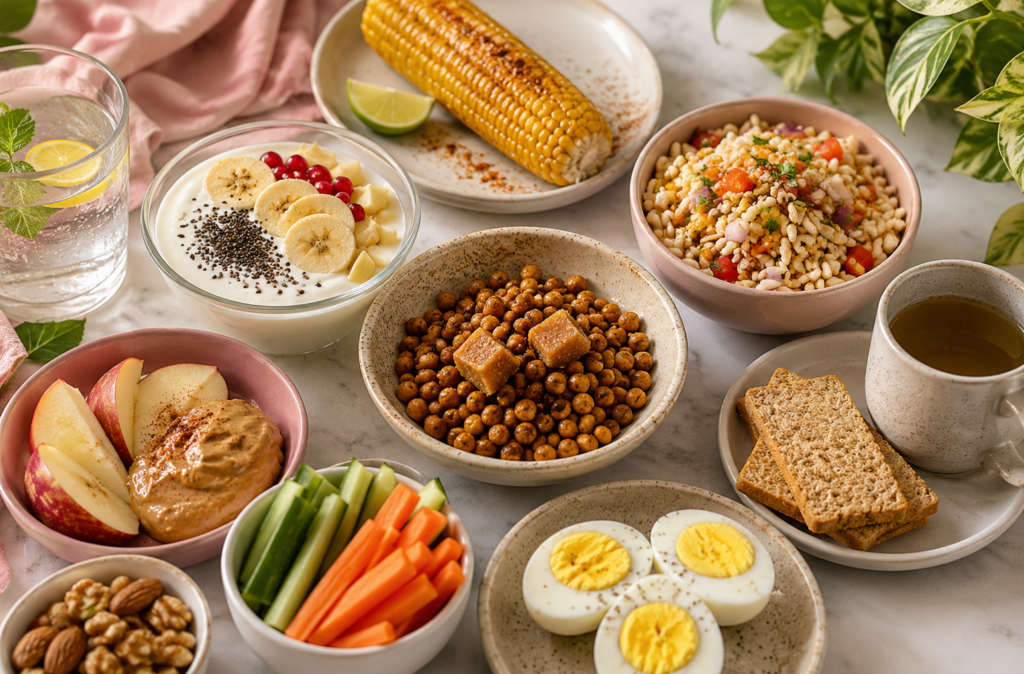
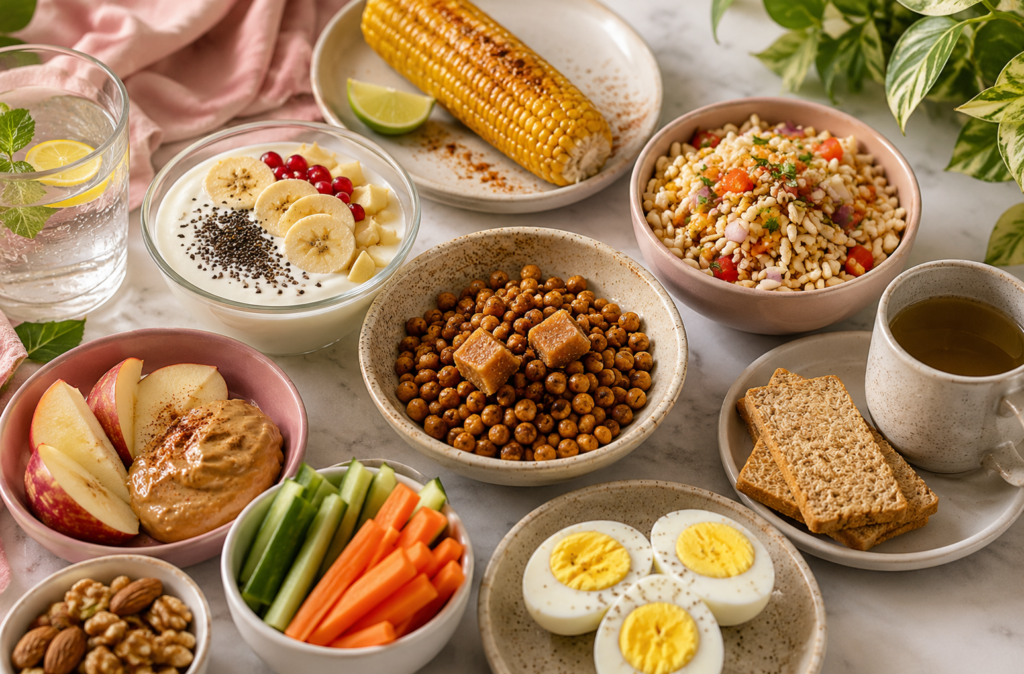
Healthy snacking ideas focus on small, nutrient-dense portions eaten between main meals to maintain energy and prevent overeating. Pakistani health experts recommend pairing complex carbohydrates with protein or healthy fats, such as roasted chana with jaggery or whole wheat roti with peanut butter. This supports stable blood sugar far better than packaged “diet” biscuits. It’s 4:30 pm. You’re staring at your laptop screen at the office, or sitting through the last lecture of the day. Your stomach growls. The canteen is selling samosas and pakoras. The tuck shop has only Oreos and Kurkure. You promised yourself you’d eat better this month, but “healthy” seems to mean either expensive imported protein bars or tasteless salad leaves that wilt in your bag by noon. This is exactly where most Pakistani women give up. The good news? Healthy snacking ideas don’t require a specialty store budget or a kitchen renovation. They just need the right combinations of what you already have access to at your local thela, Imtiaz, or kitchen pantry. Why Should Pakistani Women Care About Healthy Snacking? Healthy snacking prevents the blood sugar crash that leads to overeating at dinner and supports metabolic health, which is particularly relevant given the high rates of iron deficiency and PCOS among Pakistani women. A well-timed snack bridges the gap between lunch and dinner without adding empty calories. Most women in Pakistan eat breakfast around 7 or 8 am, lunch by 1:30 pm, and then nothing until 8 or 9 pm. That eight-hour gap wrecks concentration and triggers intense hunger. When you finally sit down to dinner, you eat roti after roti because your body is panicking. According to the World Health Organization, balanced nutrition across the day supports better hormonal regulation and energy distribution. For women managing conditions like PCOS or thyroid imbalance, steady blood sugar is not a luxury; it’s part of preventive health. What Do Health Experts Actually Recommend for a Healthy Snack? Health experts recommend snacks that pair fibre with protein or healthy fats, keeping portion sizes between 100 and 200 calories, and choosing whole foods over processed options whenever possible. The goal isn’t restriction; it’s sustained energy. Dr. Sana Malik, a Lahore-based nutrition consultant, notes that the most common mistake she sees is women eating fruit alone. “A cheeku or banana by itself spikes glucose quickly. Add a handful of almonds or a tablespoon of peanut butter, and the same fruit becomes a balanced snack.” This combination slows digestion and keeps you full until dinner. For healthy snacking ideas that actually work, think addition, not subtraction. You are not trying to eat less; you are trying to eat smarter. 7 Healthy Snacking Ideas That Cost Under PKR 150 You can build nutritious snacks from local ingredients for less than the price of a packaged biscuit pack. These seven combinations use items available at any Pakistani market and require minimal prep. Snack Approx. Cost (PKR) Prep Time Best For Pitfall to Avoid Roasted chana + gur 30–50 0 min Office desk Eating too large a portion Bhutta (roasted) 40–60 5 min Evening craving Excessive butter or masala Fruit + peanut butter 60–80 2 min Pre-workout Peanut butter with added sugar Dahi + flaxseed 50–70 1 min Gut health Flavoured yoghurt with sugar Boiled egg + veggies 40–50 10 min (batch) High protein Frying instead of boiling Homemade bhel 30–50 5 min Long study hours Adding fried sev or namkeen Whole wheat rusks 40–60 0 min Tea-time Dunking in overly sweet tea Are Packaged “Diet” Snacks Actually Healthy? Most packaged diet snacks sold in Pakistani supermarkets contain hidden sugars, refined flour, and preservatives that spike insulin and offer little nutritional value. Health experts advise reading labels carefully rather than trusting marketing claims. That “high-fibre” cookie in the purple packet? It likely contains palm oil and maltodextrin. The “low-fat” chips? Extra salt and flavour enhancers to compensate for removed fat. In my clinical experience, the most overlooked cause of stubborn weight gain is precisely these supposedly healthy packaged foods that women eat between meals. If the ingredient list reads like a chemistry experiment, it is not a snack; it is processed food in disguise. Stick to items with one to three recognisable ingredients: chana, gur, egg, fruit, dahi. How Can You Prep Snacks for a Busy Week? Dedicate thirty minutes on Sunday to washing, chopping, and portioning snack ingredients into reusable containers or zip-lock bags. This removes the decision fatigue that sends you toward the canteen samosa at 5 pm. Buy your chana, boil your eggs, wash your fruit, and portion your peanut butter into small jars. Keep one container at your desk and one in your university bag. When hunger hits, you reach for what is available. This simple act of self care transforms healthy snacking from an idea into a habit. If you have access to a fridge at work, store a small tub of dahi there on Monday morning. No fridge? A boiled egg and a packet of roasted chana survive a Karachi summer afternoon just fine. Frequently Asked Questions Can healthy snacking help with weight loss?Yes, if done correctly. Strategic snacking prevents the extreme hunger that causes overeating at main meals. The key is choosing high-protein, high-fibre options rather than refined carbohydrates. Is it okay to snack if I have PCOS or diabetes?Yes, but choose low-glycemic options like boiled eggs, chana, or vegetables with hummus. Avoid fruit juices and packaged biscuits. Women with PCOS should focus on protein-forward snacks to manage insulin response. What is the best time to snack?Mid-afternoon, roughly three to four hours after lunch, is ideal. This prevents the energy slump without interfering with dinner appetite. Avoid snacking after 9 pm if possible. Are imported protein bars better than desi snacks?Not necessarily. Many imported bars contain sugar alcohols and artificial sweeteners that cause bloating. A boiled egg or roasted chana offers comparable protein without the additives, and at a fraction of the cost. Can children eat these same snacks?Absolutely. These healthy snacking ideas use whole

Healthy Snacking Ideas Explained by Health Experts Read More »

How to Deal With Period Tracking Apps the Right Way

How to Deal With Period Tracking Apps the Right Way

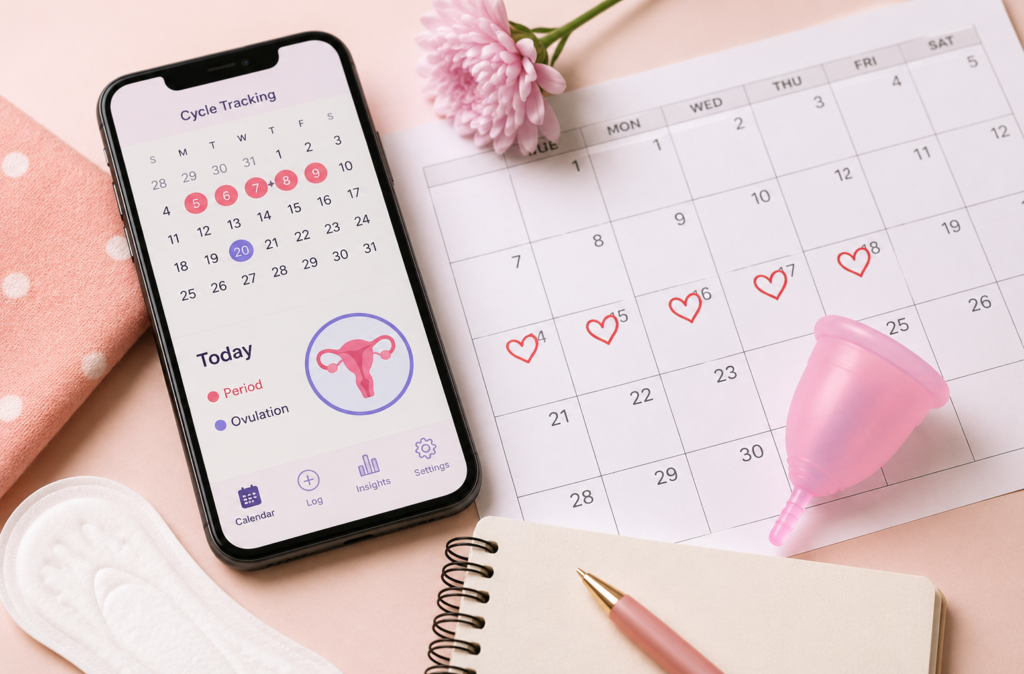
Period tracking apps log your menstrual cycle dates and symptoms to predict future periods and fertile windows. They work best as digital diaries, not medical diagnostic tools. For Pakistani women managing irregular cycles or PCOS, apps can support your routine, but they should never replace a qualified gynaecologist’s examination and advice. Your friend swore by her period tracker. She never gets caught without a pad, and she knows her fertile window down to the hour. You downloaded the same app, entered your last period date, and waited. Three months later, the app says you’re “late” — again — and you’re sitting in your university library wondering if something is seriously wrong. Here’s the truth most of us miss. Period tracking apps are only as good as the data you feed them, and most default to a 28-day cycle that doesn’t match South Asian hormonal realities. If you’ve been stressing over app notifications, this guide will show you how to use these tools properly without letting them replace your own body awareness — or your gynaecologist. What Exactly Do Period Tracking Apps Do? Period tracking apps are smartphone programmes that record your menstrual cycle dates, flow intensity, and symptoms to forecast your next period and ovulation window. They cannot measure hormone levels or see your ovaries; they simply use algorithmic pattern recognition based on what you logged last month. Most free versions rely on calendar math. You input the first day of bleeding, how many days it lasts, and symptoms like cramps, acne, or mood shifts. After two to three cycles, the app spots a pattern and pushes predictions to your home screen. Premium versions may offer basal body temperature charting or cervical mucus logging, but the majority of Pakistani users stick to the free tier. Think of an app as a digital diary that does maths, not a pocket ultrasound machine. Why Period Tracking Apps Are Popular Among Pakistani Women Pakistani women use period trackers to manage busy schedules, prepare for gynaecologist visits, and monitor conditions like PCOS in a culture where period talk is often private. Between university deadlines, office commutes on Karachi’s Red Bus, and managing period care in spaces with limited facilities, knowing when to expect bleeding matters. Many women also use these apps to collect evidence before visiting a doctor. If your family thinks you’re too young for a hormone check, showing three months of logged cycle data can strengthen your case for a proper evaluation. Apps also help women observing Ramadan plan around their periods, and those with PCOS track whether their cycles are lengthening or shortening over time. How to Choose a Period Tracking App That Actually Works for You Choose a period tracking app that allows custom cycle lengths, protects your privacy, and works offline without forcing you into a 28-day default. South Asian women often have cycles ranging from 26 to 35 days, so the app must let you override standard settings during the first week. Feature Flo Clue Marham Period Calendar Free version available Yes Yes Yes Yes Custom cycle length input Yes Yes Limited Yes Strong privacy protection Moderate High High Low Connects to local doctors No No Yes No Works offline Partial Yes Yes Yes PCOS symptom tracking Detailed Moderate Basic Basic The Biggest Mistakes Women Make With Period Tracker The most common mistake is treating app predictions as medical diagnoses rather than educated guesses based on past data. An algorithm cannot see inside your fallopian tubes. When to Put the App Away and Call Your Gynaecologist See a gynaecologist if your cycles fall outside the 21-to-35-day range for three months, or if you experience severe pain, bleeding between periods, or no period for over 90 days. Apps are excellent for pattern spotting, but they cannot diagnose PCOS, endometriosis, thyroid disorders, or perimenopause. In Pakistan, where anaemia and vitamin D deficiency are common, a “late” period might signal nutritional gaps that no algorithm can detect. If your tracker is causing anxiety rather than clarity, stop checking it for one cycle and schedule an appointment with a PMDC-registered gynaecologist instead. You can read more about when to see a doctor about irregular periods on GirlBox. Frequently Asked Questions Are period tracking apps accurate if my cycle is irregular?Most apps become less accurate with irregular cycles because they rely on averaging past dates. If you have PCOS or thyroid issues, use the app purely for symptom logging rather than predictions. Is my period data safe with these apps in Pakistan?Data protection varies. International apps may store information on servers outside Pakistan. Local apps keep data within the country, but always read the privacy policy. Avoid apps that require social media logins. Can teenagers use period tracking apps?Yes. For adolescents tracking their first few years of menstruation, apps help normalise cycle awareness. However, teenage cycles are naturally irregular for the first two years, so predictions should not be treated as definitive. Do I need a premium subscription?No. Free versions handle calendar logging, symptom notes, and basic predictions adequately. Pay only if you need features like basal body temperature charting or PDF export for your doctor. Should I track my period if I am not sexually active?Absolutely. Period tracking is about understanding your overall reproductive health, not just fertility. It helps you notice changes in flow, pain levels, and mood that might indicate hormonal shifts. Period tracking apps are useful servants but terrible masters. Use one to log your cycle, note your symptoms, and walk into your gynaecologist’s office with three months of solid data. Do not use one to diagnose yourself, time contraception, or panic over a late notification when your body has always marched to its own rhythm. Your next step is simple: download one app today. Log your last period date, disable the 28-day default if your cycles run longer, and set a weekly reminder to update your symptoms. After three complete cycles, book a consultation and show your doctor the data. That is how you deal with period

How to Deal With Period Tracking Apps the Right Way Read More »

Scroll to Top