Foods That Help with Hormone Friendly Diet
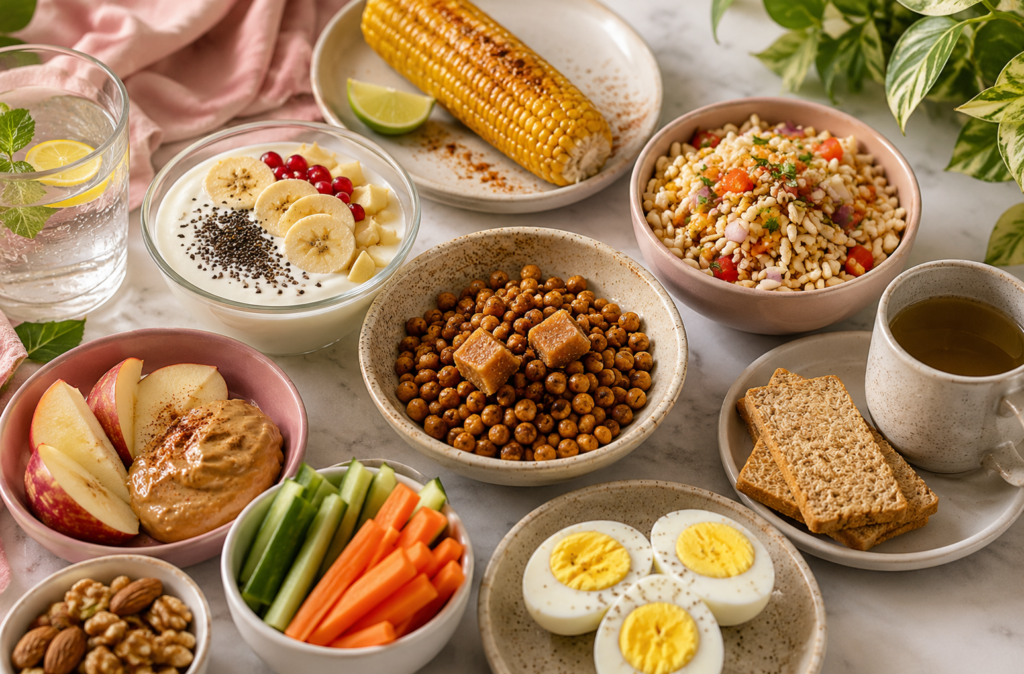
Quick Answer: A hormone friendly diet stabilises blood sugar and reduces inflammation to support your endocrine system. For Pakistani women, this means eating complex carbohydrates like bajra and jowar, magnesium-rich greens, omega-3 seeds, and probiotic dahi while cutting refined flour and excess sugar. This is a supportive strategy, not a replacement for medical treatment of diagnosed hormonal disorders. You have eaten salad for dinner three weeks running. You swapped white roti for lettuce wraps. You bought detox tea from an Instagram page and drank it until your stomach burned. Your periods are still irregular. Your skin still breaks out along the jawline. The weight around your midsection refuses to shift despite the hunger. The problem is not willpower. The problem is that restriction without hormonal context is just starvation with better marketing. Your endocrine system does not run on cucumber slices. It runs on cholesterol, amino acids, trace minerals, and steady glucose. The good news is that your kitchen already contains most of what you need. You just need to stop fearing desi food and start using it strategically. What Is a Hormone Friendly Diet? A hormone friendly diet is an eating pattern that prioritises blood sugar stability, anti-inflammatory fats, and micronutrients required for synthesising and metabolising reproductive hormones. It is not a crash diet or a juice cleanse. It is a sustained shift toward whole foods that keep insulin, cortisol, and estrogen within functional ranges. Your ovaries, thyroid, and adrenal glands need raw materials. Cholesterol builds steroid hormones. Iodine feeds the thyroid. Vitamin B6 and magnesium help process estrogen. Fiber binds excess hormones in the gut for elimination. When you eat white flour and sugar all day, you create insulin spikes that push ovaries to produce more androgens. When you skip fat entirely, you starve the very mechanism that manufactures progesterone. A hormone friendly diet corrects these shortages without requiring imported superfoods or expensive meal plans. Why Pakistani Women Need a Local Approach Pakistani women face disproportionate rates of PCOS, vitamin D deficiency, iron deficiency anaemia, and thyroid dysfunction. A generic Western hormone diet built around quinoa and kale ignores the reality of what is affordable, available, and culturally familiar here. We do not need avocados at PKR 400 each. We need to stop throwing away the pumpkin seeds we scoop out of kaddu every winter. We need to recognise that bajra roti from a Punjab village diet is metabolically superior to the refined white bread now dominating urban breakfasts. Dr. Nida Aslam, an Islamabad-based gynaecologist, notes: “In my clinical experience, the most overlooked cause of persistent hormonal symptoms is not excess calories. It is mineral depletion from a diet of refined flour and tea that blocks iron absorption.” Understanding this changes your grocery list more than any calorie-counting app ever will. 8 Desi Foods That Support Your Endocrine System These eight foods are available at any Pakistani bazaar and cost significantly less than imported health products. Each one targets a specific hormonal mechanism. 1. Bajra and jowar (whole millets)These complex carbohydrates release glucose slowly, preventing the insulin spikes that worsen PCOS and androgen excess. A bajra roti at lunch keeps you full longer than three white rotis and supports the healthy gut bacteria that metabolise estrogen. 2. Eggs, especially the yolkEgg yolks contain choline, vitamin D, and healthy fats essential for progesterone production. At roughly PKR 20 per egg, this is the cheapest hormone support available. Eat the whole egg. The yolk is where the nutrition lives. 3. Palak, methi, and sarson saagLeafy greens deliver magnesium and iron, both critical for thyroid function and for buffering the stress response. Pakistani women are chronically low in both. A cup of steamed palak with lunch is not a side dish. It is infrastructure. 4. Flaxseeds and pumpkin seedsFlax contains lignans that help modulate estrogen levels. Pumpkin seeds provide zinc, which supports progesterone and thyroid conversion. Buy whole flaxseeds from a desi atta chakki for PKR 200-300 per kilo. Grind a tablespoon fresh daily. Pre-ground flax oxidises and loses potency within days. 5. Plain dahi with live culturesYour gut microbiome processes and eliminates excess estrogen. Antibiotics, processed food, and stress destroy these bacteria. Plain dahi restores them. Avoid the fruit-bottom yoghurts with more sugar than ice cream. 6. Turmeric and gingerChronic low-grade inflammation disrupts hormone receptor sensitivity. Fresh turmeric and ginger, cooked into daal or brewed as kadha, contain compounds that reduce this inflammation without the side effects of long-term medication. 7. Walnuts and almondsOmega-3 fatty acids and vitamin E support the fluidity of cell membranes, allowing hormones to signal properly. A small handful costs PKR 50-80 and makes an ideal mid-afternoon snack when energy dips between meals. 8. Chana, lobia, and masoor daalLegumes provide plant protein, iron, and soluble fiber. The fiber binds excess estrogen in the digestive tract, preventing reabsorption. This is particularly important for women with estrogen dominance symptoms like heavy periods and breast tenderness. Food Key Nutrient Hormonal Benefit Cost (PKR) How to Eat Bajra/jowar roti Complex carbs, fiber Stabilises insulin 80–120/kg Lunch replacement for white roti Eggs (whole) Choline, vitamin D Progesterone support 20–25 each Breakfast or boiled snack Palak / methi Magnesium, iron Thyroid and stress support 30–50/bunch Steamed, in saag, or mixed in daal Flaxseeds Lignans, omega-3 Estrogen modulation 200–300/kg Freshly ground, daily Plain dahi Probiotics Gut-estrogen elimination 40–60/cup With lunch or as raita Turmeric/ginger Curcumin, gingerol Anti-inflammatory 20–40/100g Fresh in cooking or kadha Walnuts/almonds Omega-3, vitamin E Cell membrane health 50–80/handful Mid-afternoon snack Chana / lobia Fiber, plant protein Excess estrogen binding 40–60/cup cooked Lunch daal or salad Foods That Disrupt Hormonal Balance Refined white flour, white sugar, excessive caffeine, and hydrogenated oils actively work against your endocrine system. They are not treats. They are hormonal saboteurs. White roti and parathas made from maida spike insulin within minutes. Your body responds by producing more androgens, which worsens acne and facial hair. Four cups of chai daily deliver enough tannins to block iron absorption by up to 60%, deepening the fatigue you already
Foods That Help with Hormone Friendly Diet Read More »